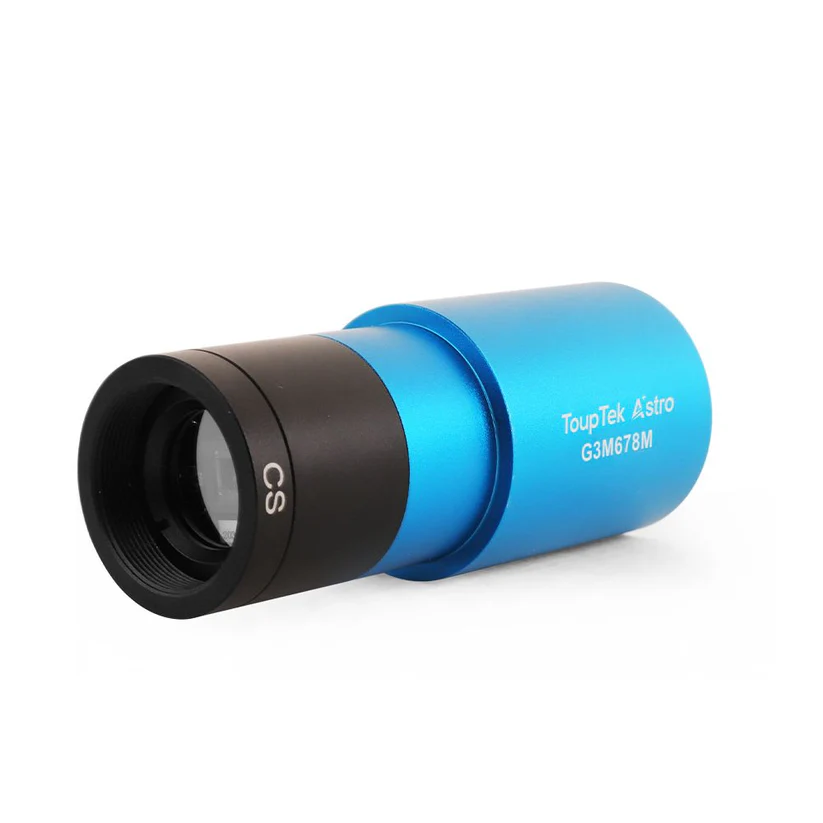
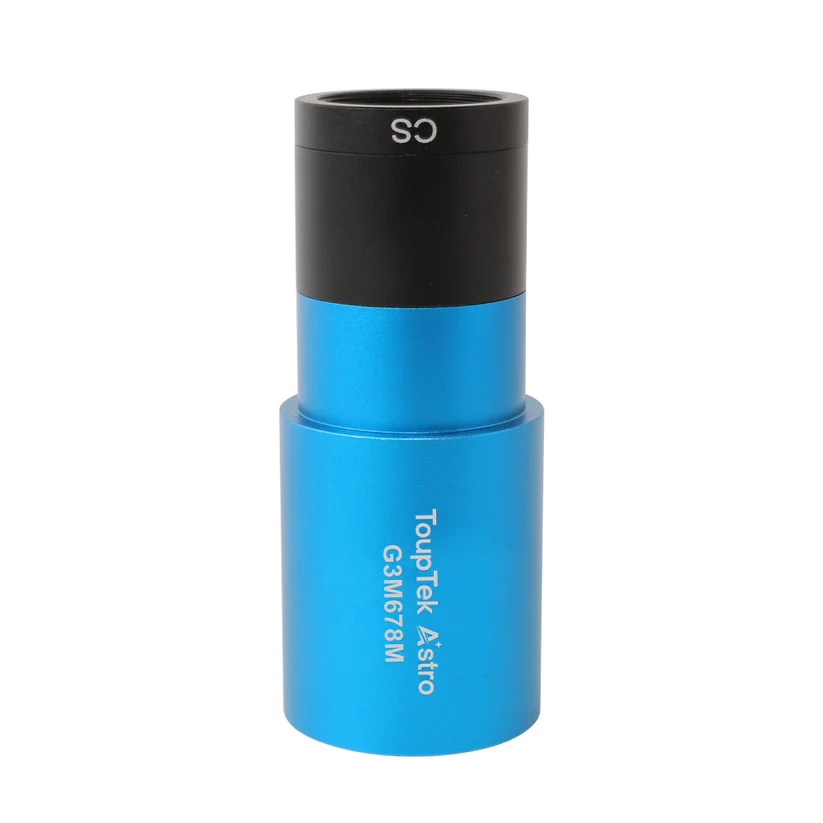

G3M678M Planetary Camera
Professional monochrome astronomical imaging camera featuring the Sony IMX678 back-illuminated CMOS sensor, delivering exceptional infrared sensitivity with extended spectral range and ultra-low read noise for advanced planetary, lunar, and solar photography.
Description and Features
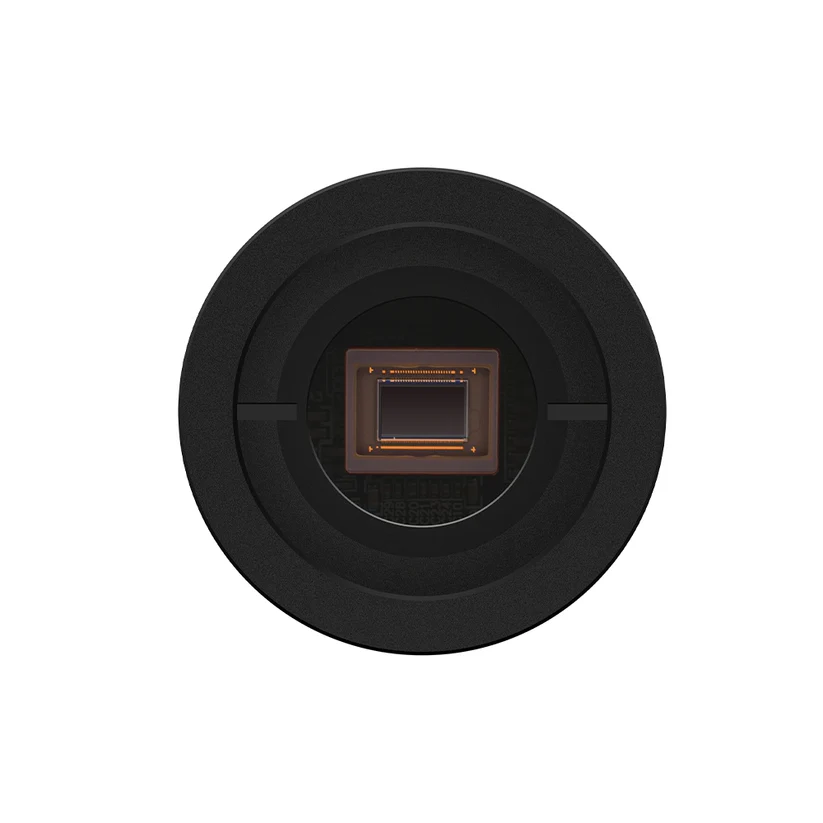
The G3M678M camera possesses an exceptionally strong capability to capture infrared light with a high QE value at 850nm. The monochrome design eliminates the Bayer color filter array, providing 100% pixel utilization and superior sensitivity compared to color versions. It also has a large full well capacity, high dynamic range, high sensitivity, and low readout noise among other advantages. This results in outstanding performance in planetary photography, as well as in solar and lunar photography.
The features of G3M678M are listed below:
- IMX678 Monochrome CMOS Sensor
- Resolution: 8.3 megapixels (3840×2160)
- 2 μm Square Pixels
- 1/1.8-inch Optical Format
- 12-bit ADC
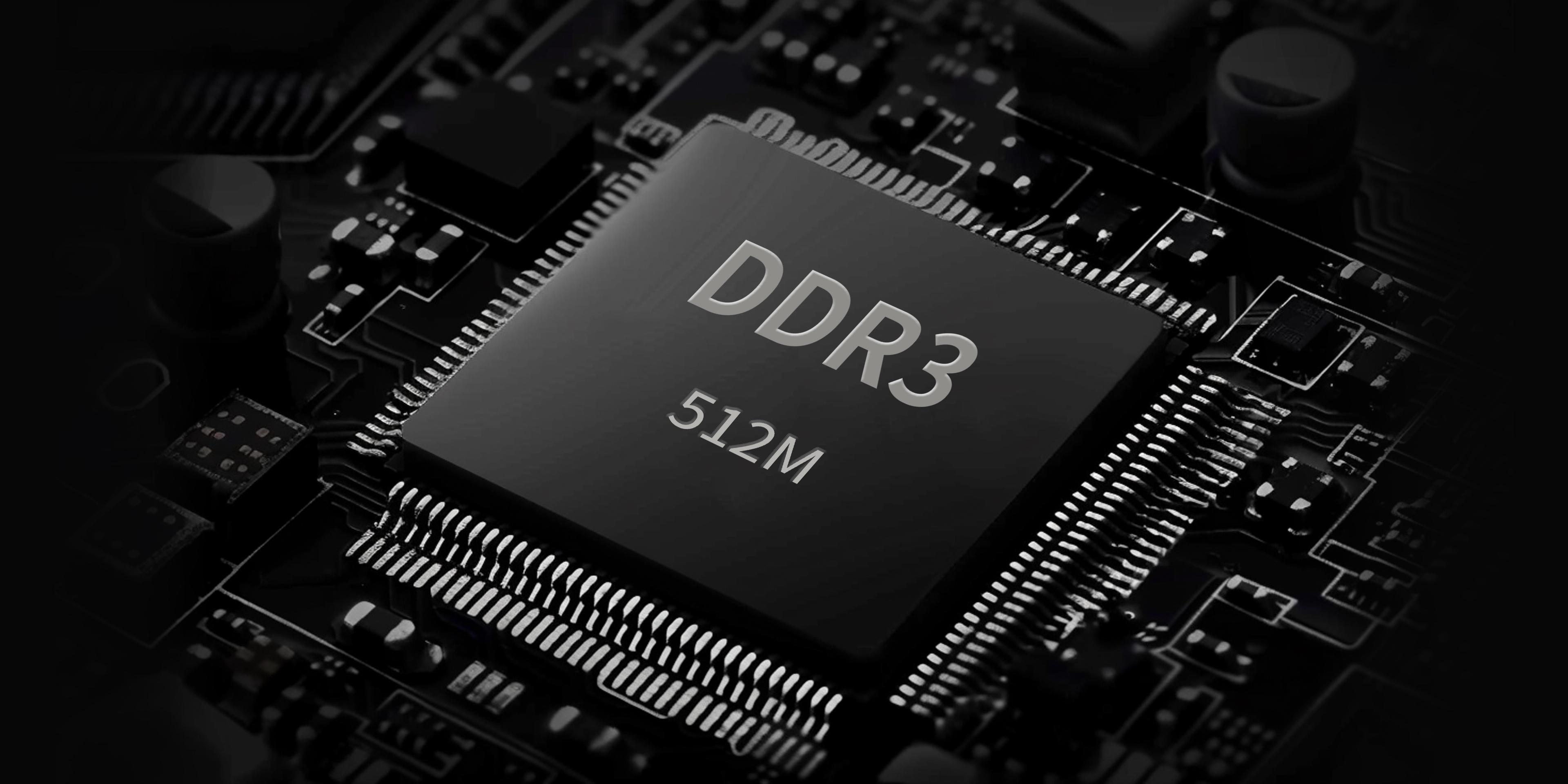
- 512 MB DDR3 Memory
- G Sensitivity: 5644mv with 1/30s
- Low Noise: 0.5 to 2.55e⁻
- Support High Frame Rate Mode (47 FPS at full resolution 8 bit)
- SNR Max: 41 dB
- Dynamic Range: 74 dB
Technical Advantages
Monochrome Sensor Superiority
The G3M678M features a pure monochrome version of the Sony IMX678 sensor, eliminating the Bayer color filter array to achieve true 100% pixel utilization. With exceptional G sensitivity of 5644mv at 1/30s, this camera provides significantly higher sensitivity than color versions. Each pixel directly captures all incoming light without color filtering, resulting in superior resolution and sensitivity for the most demanding astronomical imaging applications.
Sony IMX678 Extended Spectral Response
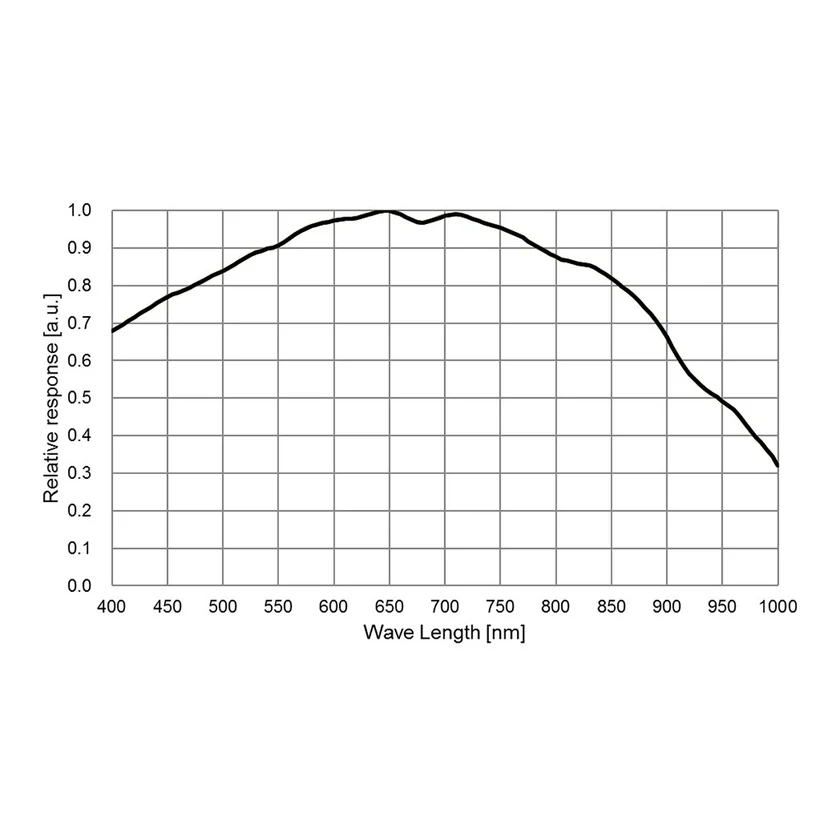
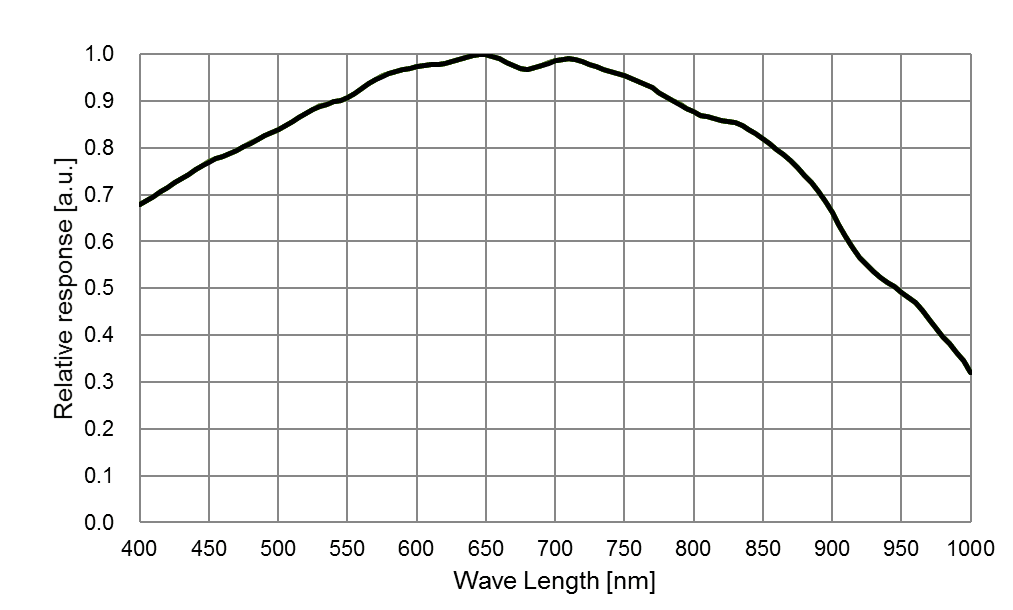
The monochrome G3M678M sensor offers exceptional spectral response across an extended range from 380nm to 1100nm with AR protection window. This extended sensitivity into the near-infrared spectrum makes it ideal for capturing atmospheric details on planets that are more prominent in specific wavelengths, particularly when used with specialized filters for narrowband or infrared imaging.
12-bit ADC and High Frame Rate
The G3M678M features native 12-bit ADC providing 4096 levels of tonal gradation, ensuring smooth transitions and preserving subtle details in your astronomical images. The camera also offers hardware ROI support, enabling smaller regions of interest to achieve even higher frame rates for targeted imaging.
Frame Rates at Different Resolutions and Data Transfer Interfaces
| Resolution | 12-bit Output | 8-bit Output | ||
|---|---|---|---|---|
| USB3.0 | USB2.0 | USB3.0 | USB2.0 | |
| 3840 × 2160 | 24 | 1.9 | 47 | 3.8 |
| 1920 × 1080 | 70 | 3.9 | 70 | 7.9 |
Unit: Frames Per Second (FPS)
DDR3 High-Speed Buffer
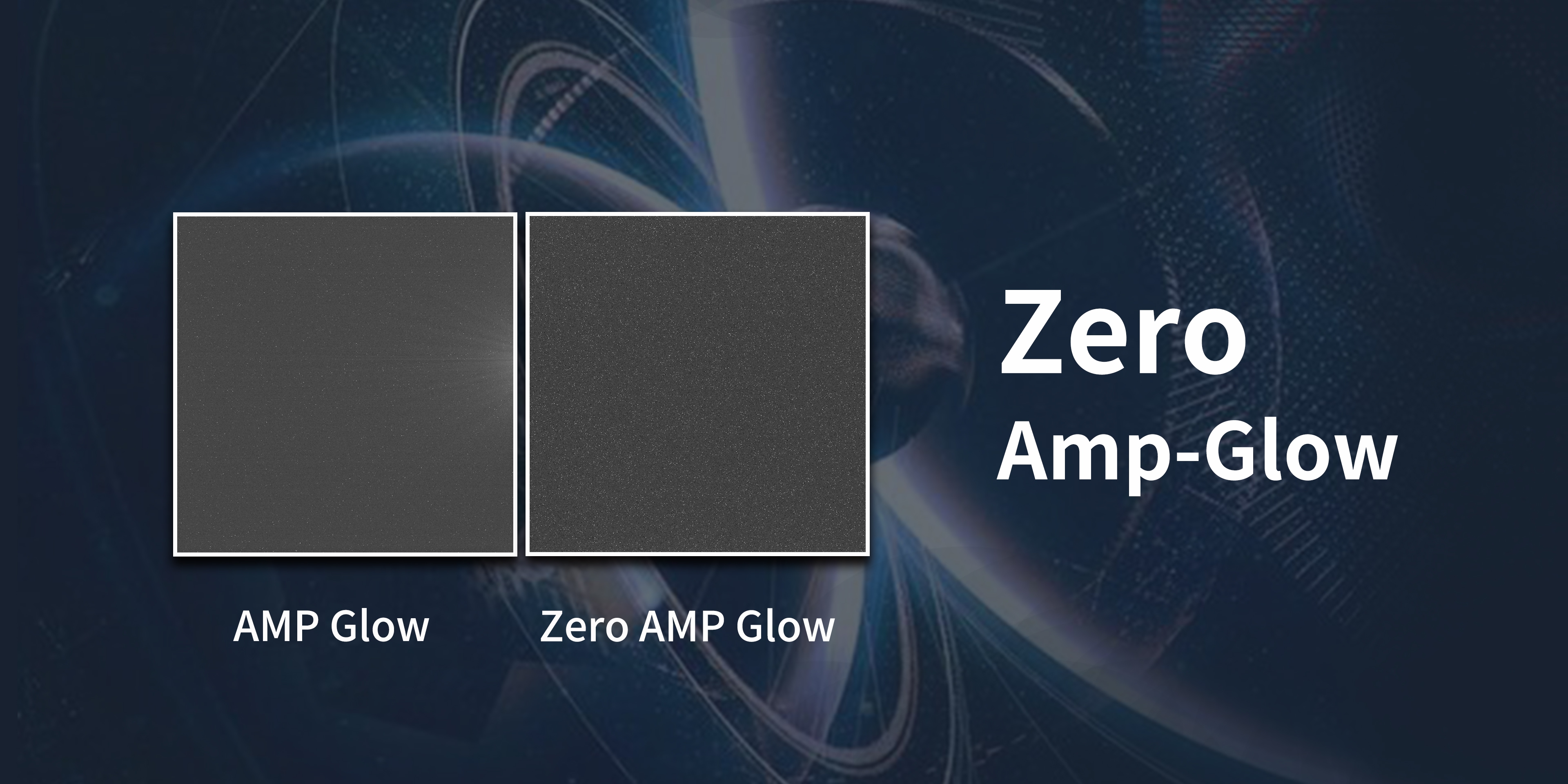
Equipped with USB 3.0 high-speed interface and 512MB DDR3 high-speed buffer, the camera helps maintain the stability of data transmission and effectively reduces amp-glow caused by image data buffering. The advanced buffer system ensures stable and smooth data transmission even at maximum frame rates, enabling uninterrupted imaging sessions during critical atmospheric conditions.
Advanced Pixel Binning
The G3M678M supports digital pixel binning from 1×1 to 8×8 (stacking or averaging methods) and hardware pixel binning from 1×1 to 2×2 (averaging method). Hardware pixel binning is much faster than software binning and provides higher frame rates while improving signal-to-noise ratio, particularly beneficial when imaging through poor atmospheric conditions or when using narrowband filters.
Dual Conversion Gain Modes
The G3M678M supports HCG (High Conversion Gain) and LCG (Low Conversion Gain) mode switching. HCG mode optimizes low-light performance, achieving ultra-low read noise of 0.5e⁻ for capturing faint planetary details. LCG mode provides a large full well capacity of 11.6ke⁻, suitable for bright targets. This flexibility allows you to optimize the camera’s performance for various imaging conditions.
Zero Amp-Glow Technology
The G3M678M achieves “zero amp-glow” at the hardware level. Whether using long exposures or high gain settings, your imaging results remain pure and clear without unwanted thermal noise interference. This is particularly important for monochrome imaging where every photon counts and image purity is paramount.
Optimized for Multi-Band Imaging
The monochrome design ensures each filter captures data at full resolution with maximum efficiency, without the limitations of color interpolation.
Efficient Power System
The camera operates entirely through USB 3.0 interface power delivery. Once connected to the host system using the USB 3.0 cable, the device is immediately ready for operation. This single-cable solution simplifies setup and reduces potential failure points in your imaging system.
Technical Specifications
Core Performance Parameters
| Maximum Frame Rate (USB 3.0) | 12-bit: 24 FPS @ 3840×2160 8-bit: 47 FPS @ 3840×2160 |
|---|---|
| Read Noise | 0.5e⁻ (HCG mode) – 2.55e⁻ (LCG mode) |
| Full Well Capacity | 11.6ke⁻ |
| Peak Quantum Efficiency | >83% |
| Dynamic Range | 74 dB |
| Signal-to-Noise Ratio | 41 dB |
| Exposure Time Range | 0.1ms – 1000s |
| Gain Range | 1× – 100× |
Basic Technical Specifications
| Sensor | Sony IMX678 Monochrome Back-Illuminated CMOS |
|---|---|
| Image Resolution | 8.3 Megapixels (3840×2160) |
| Pixel Size | 2μm × 2μm |
| Sensor Format | 1/1.8-inch (8.47mm diagonal) |
| Image Area | 7.7mm × 4.3mm |
| Color Type | Monochrome (No Bayer Matrix) |
| Shutter Type | Rolling Shutter |
| ADC Bit Depth | 12-bit |
| DDR3 Buffer | 512MB (4Gb) |
| Spectral Range | 380-1100nm (with AR protection window) |
Interface and Physical Specifications
| Data Interface | USB 3.0 / USB 2.0 |
|---|---|
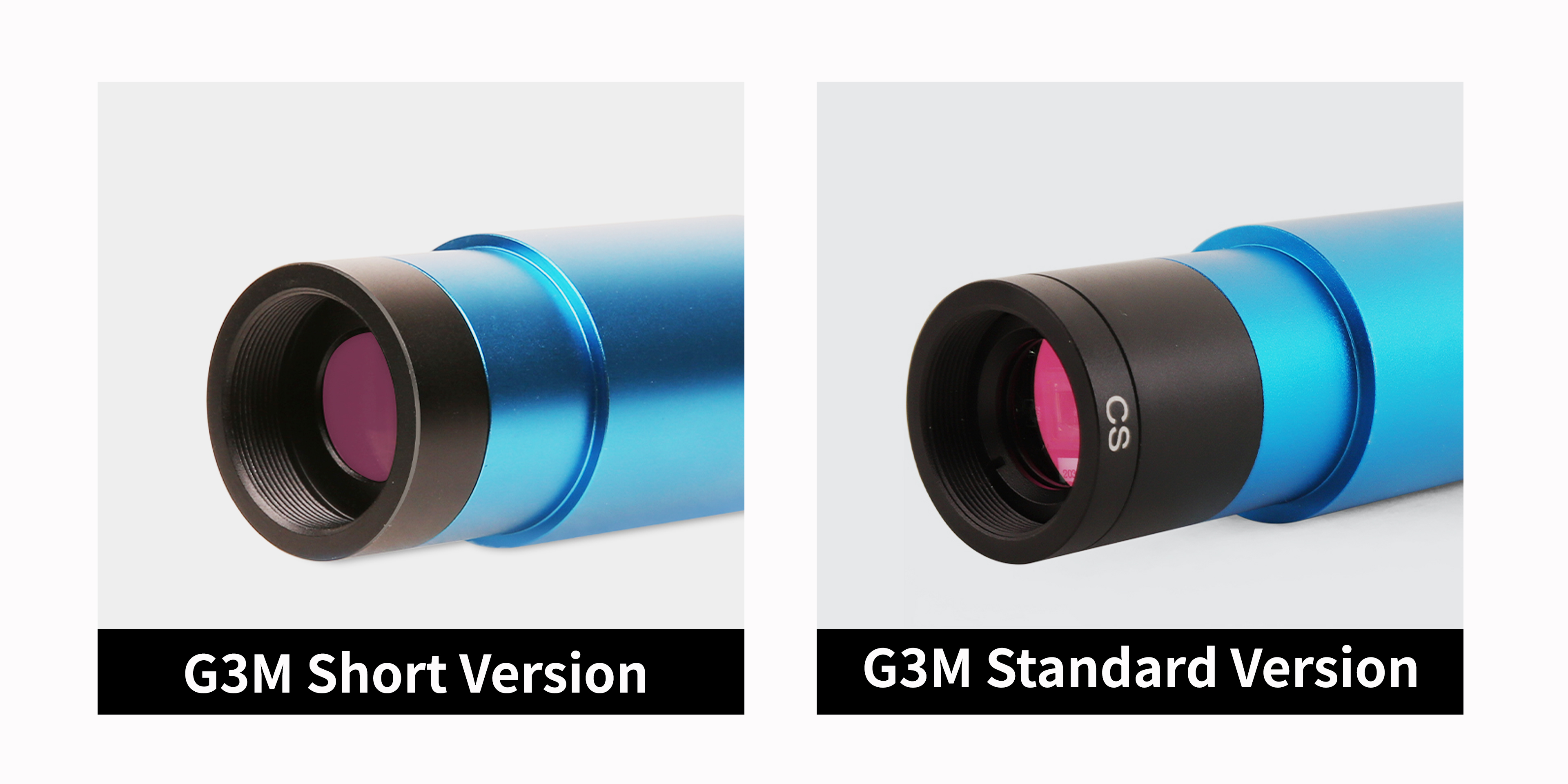
| Camera Adapter | Standard 1.25″ outer diameter for telescope Standard C adapter for industrial lens |
| Back Focus Distance | 17.5mm with C adapter 12.5mm with CS adapter |
| Camera Dimensions | Diameter 37mm × Height 72.4mm |
| Weight | 70 grams |
| Cooling | Passive cooling |
| Supported OS | Windows XP/Vista/7/8/10/11 Mac OS X, Linux |
| SDK Support | Native C/C++, C#/VB.NET, Python Java, DirectShow, Twain, etc. |
Flexible Multi-Mode Performance
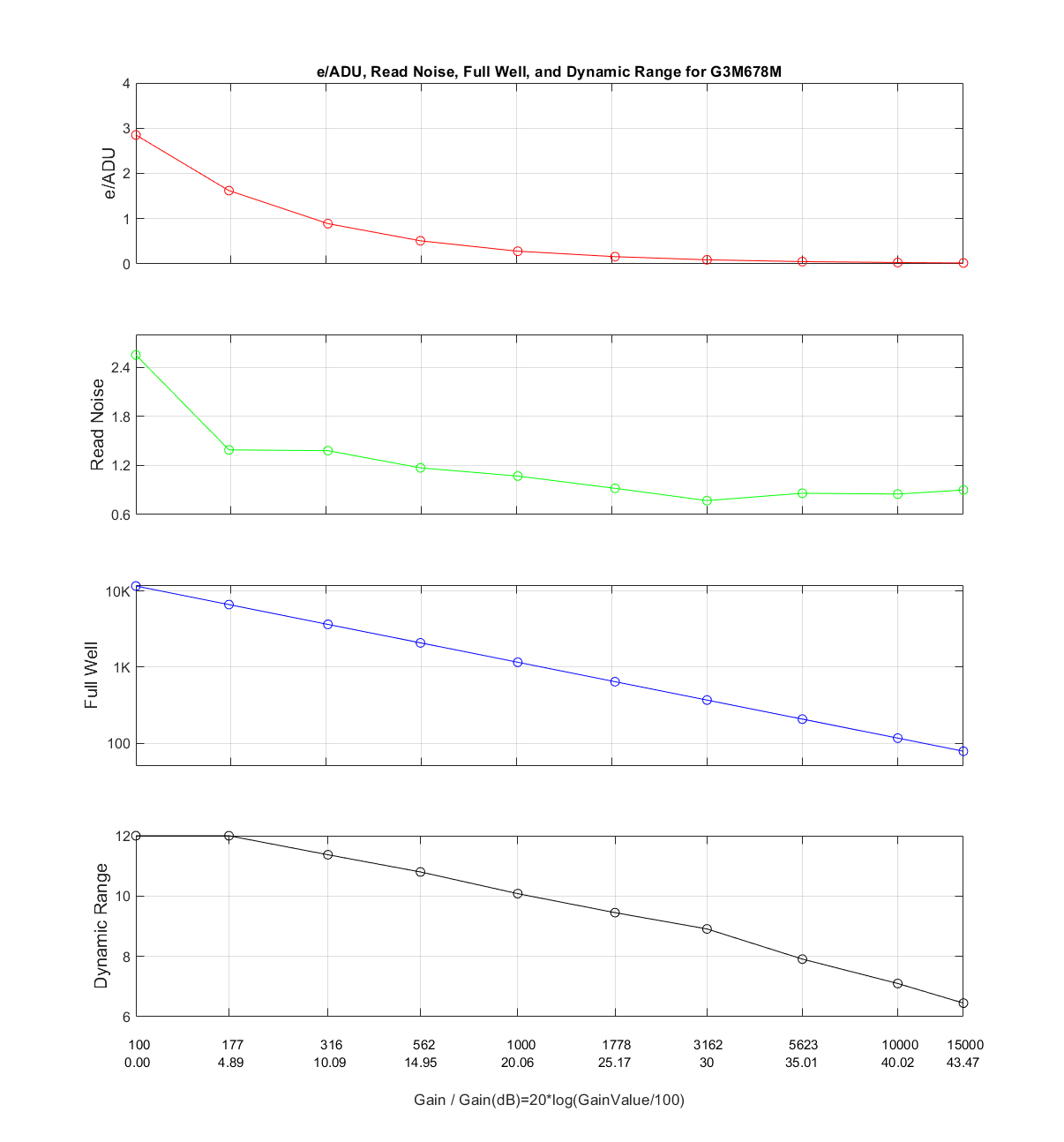
The G3M678M supports HCG (High Conversion Gain) and LCG (Low Conversion Gain) mode switching. Configure these modes freely according to your imaging needs to optimize dynamic range and noise performance for different celestial targets.
HCG Mode Performance
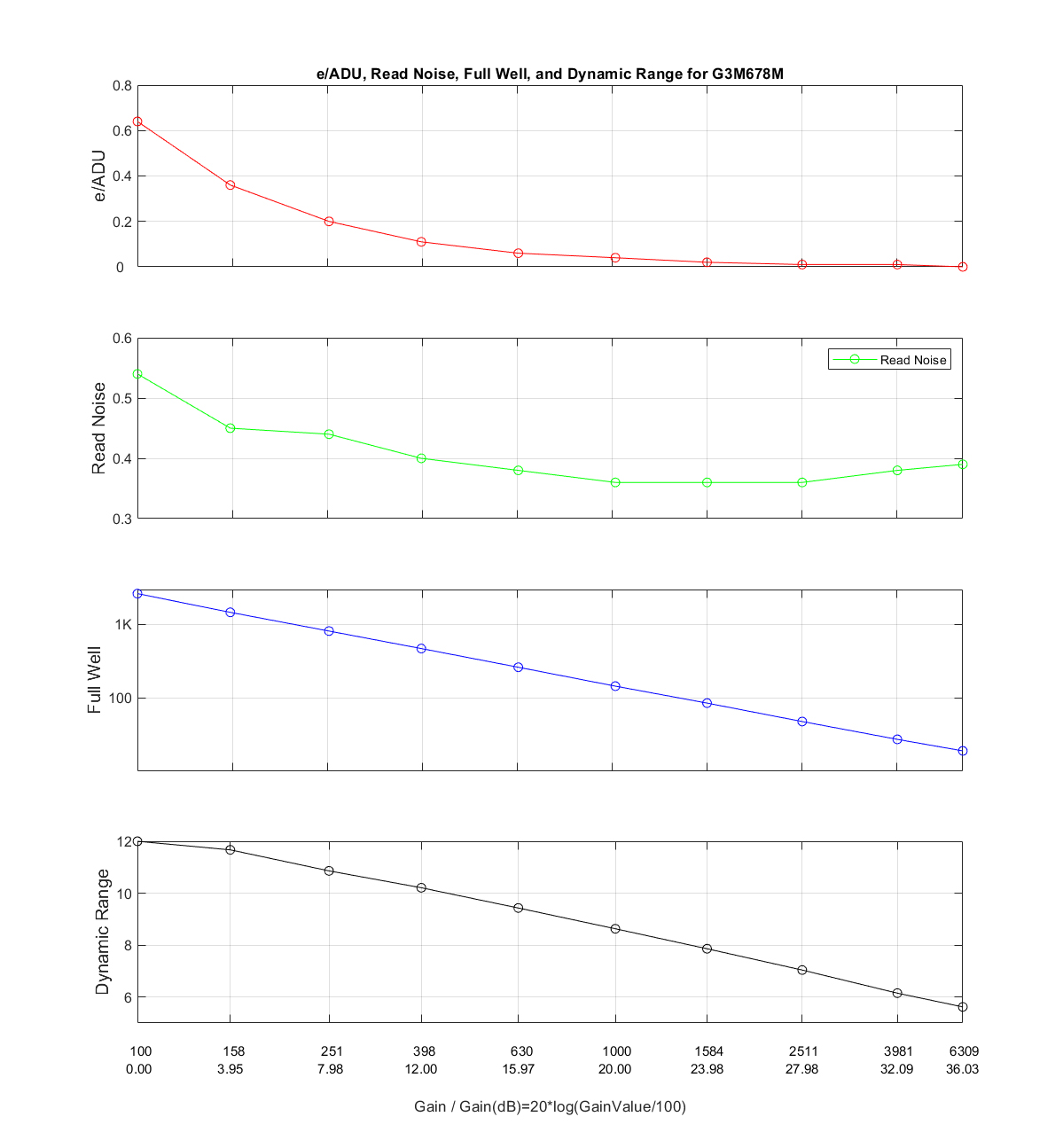
Camera Settings: Full resolution, RAW 12-bit mode
HCG (High Conversion Gain) mode is optimized for low-light astrophotography. The chart shows performance at different gain settings where read noise can be as low as 0.5e⁻, perfect for capturing faint planetary details and dark lunar regions. While the full well capacity is reduced to 2.6ke⁻, the extremely low read noise makes it ideal for lucky imaging of dim celestial objects and narrowband imaging applications.
LCG Mode Performance
Camera Settings: Full resolution, RAW 12-bit mode
LCG (Low Conversion Gain) mode provides larger full well capacity (11.6ke⁻), suitable for imaging high dynamic range celestial objects. This mode excels when photographing bright targets like the solar surface, lunar highlands, or bright planets such as Jupiter and Venus. The mode maintains excellent performance with read noise as low as 2.55e⁻ while preserving the ability to capture bright details without saturation.
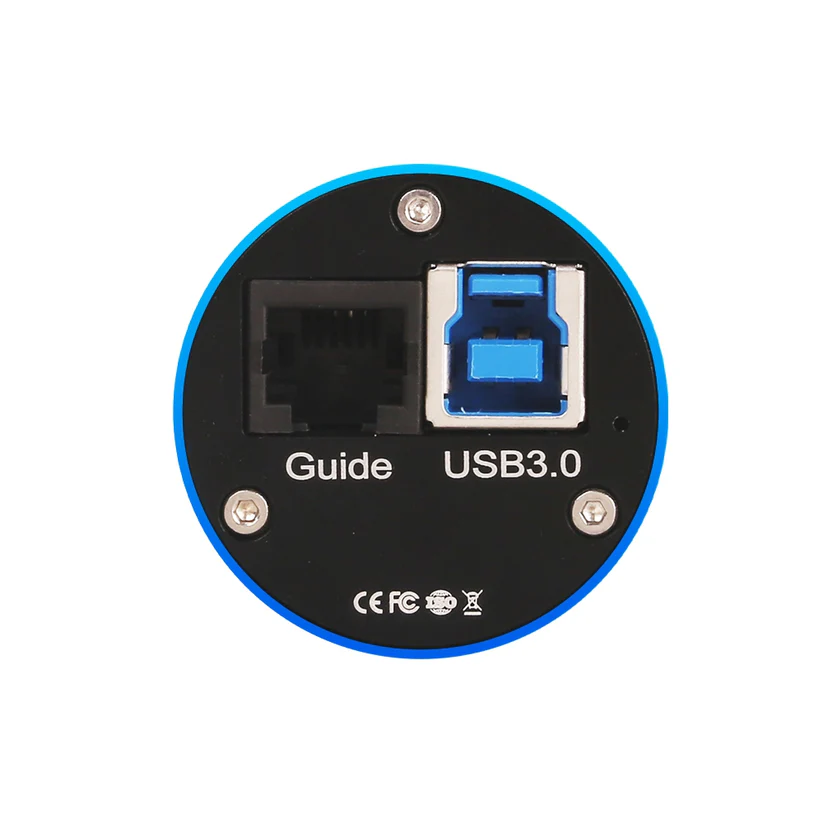
Camera Interface and Dimensions
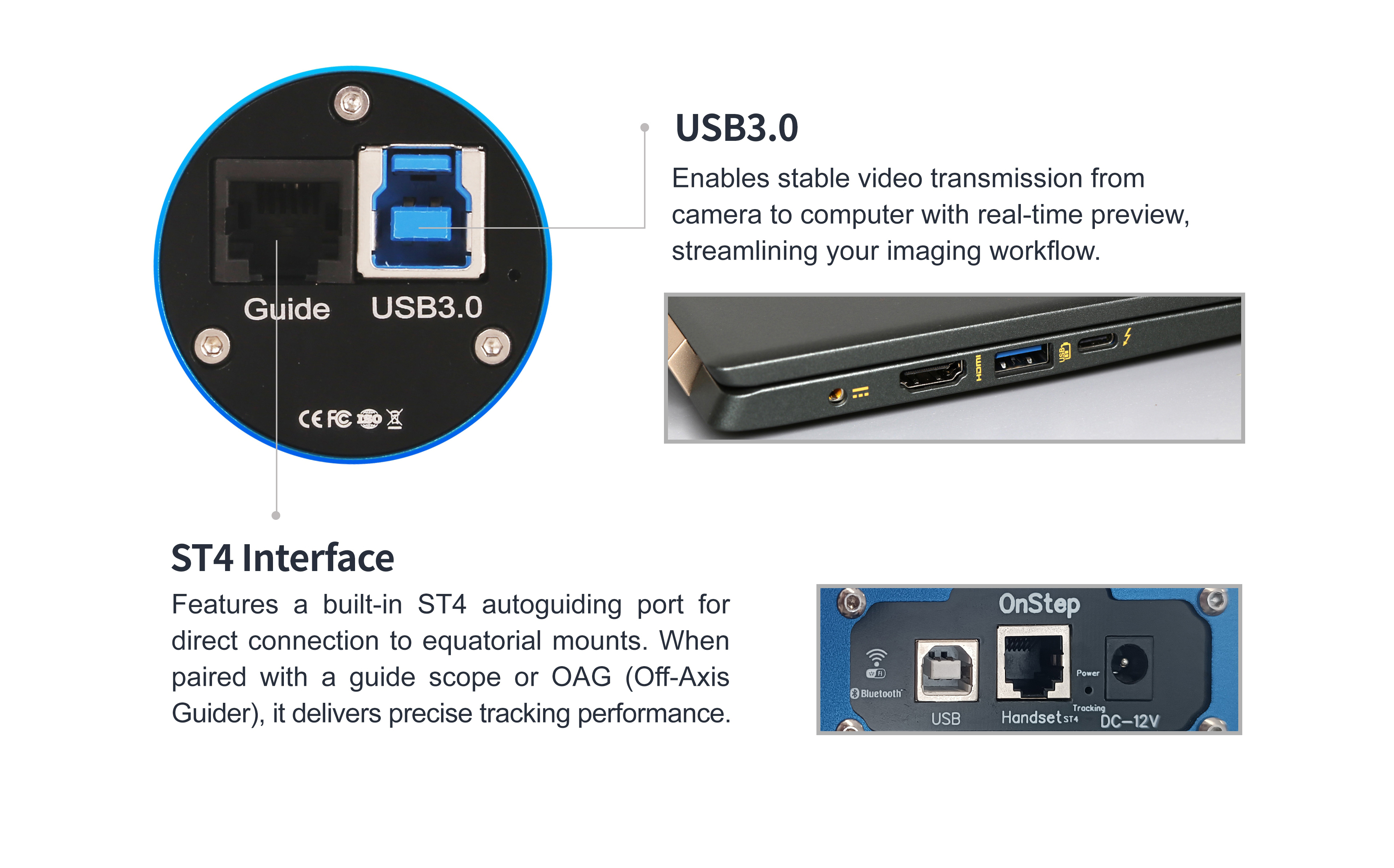
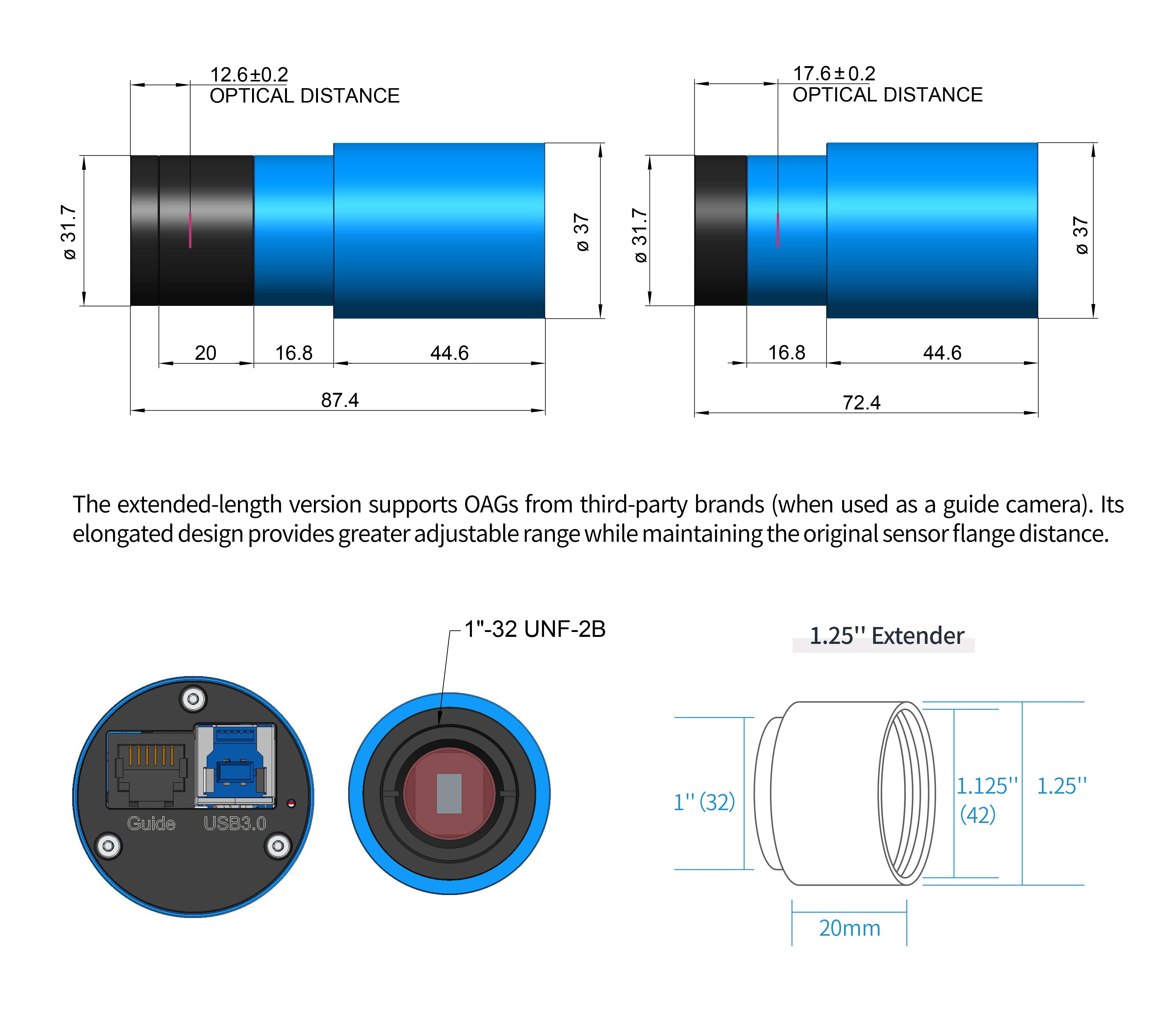
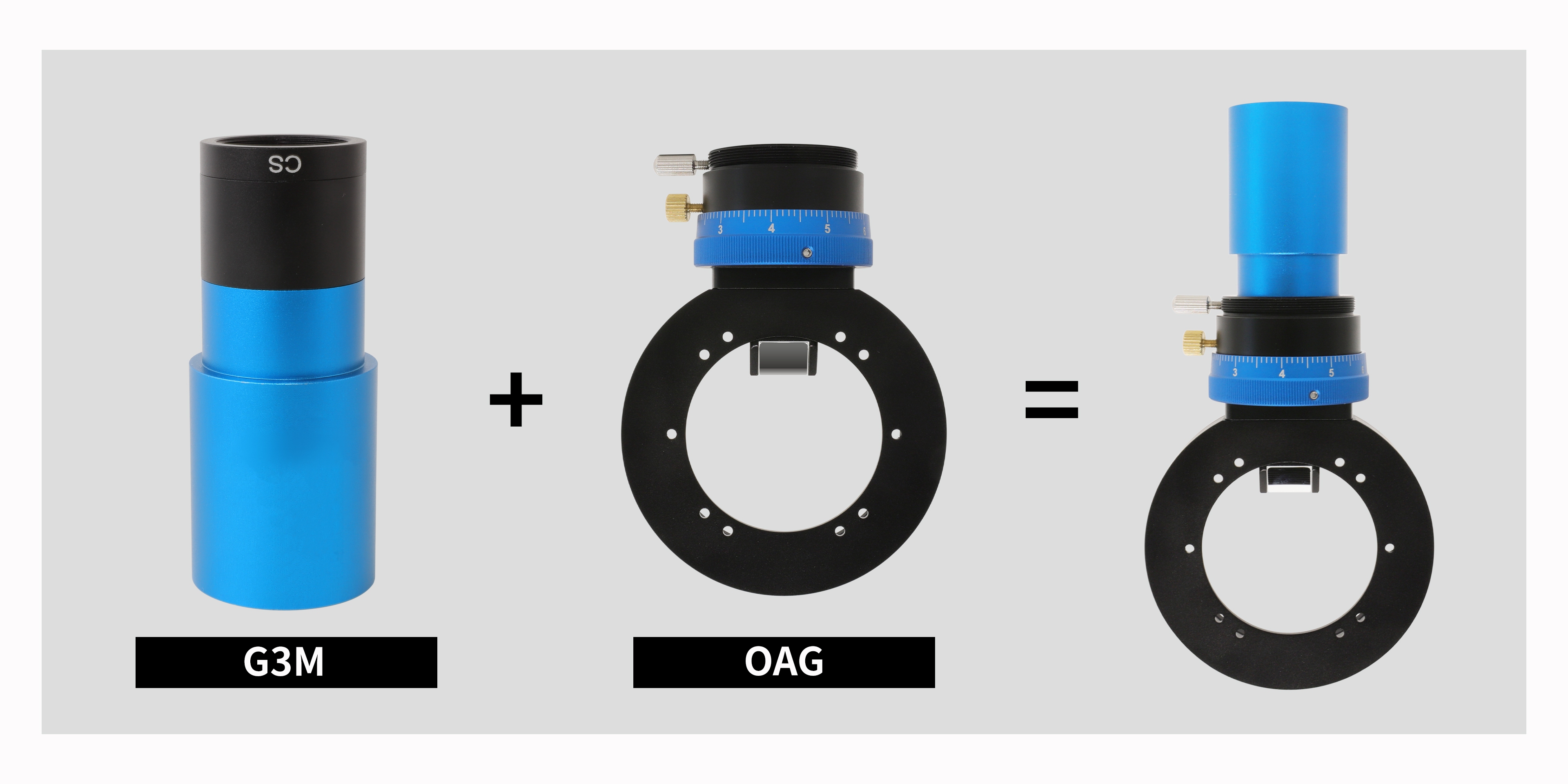
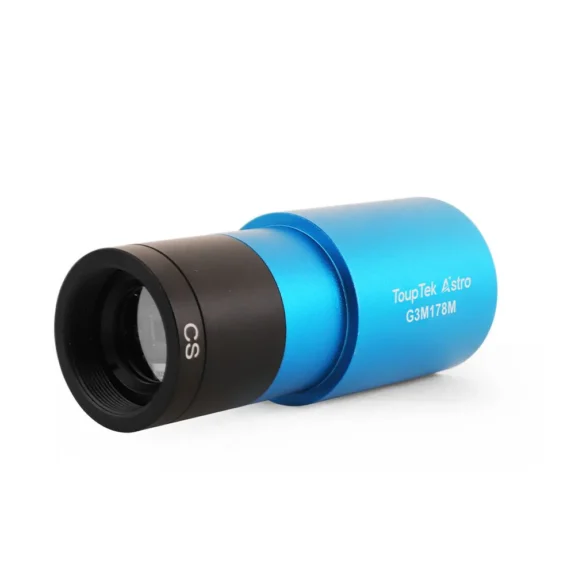
The G3M series body, made from tough alloy, ensures a heavy-duty, workhorse solution. The camera is designed with high-quality AR coating to protect the camera sensor and maximize light transmission while eliminating reflections. With no moving parts included, these measures ensure a rugged, robust solution with an increased lifespan when compared to other astronomical camera solutions.
Package Contents
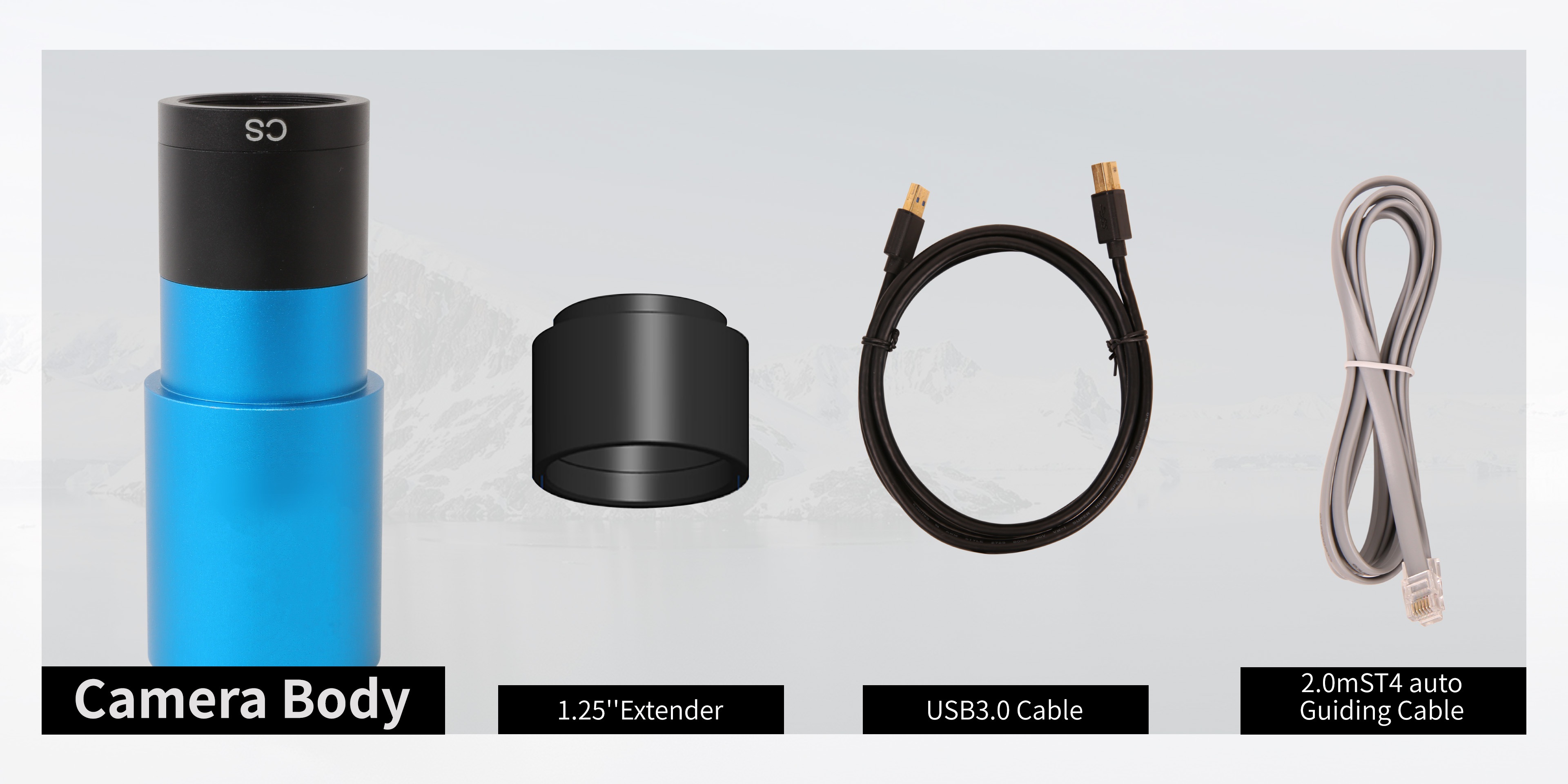
Standard Configuration Includes:
- G3M678M Camera Body × 1
- USB 3.0 Data Cable (2m, Type-A to Type-B) × 1
- ST4 Guide Cable (2m) × 1
- 1.25″ Nosepiece × 1
- Quick Start Guide × 1